
Metal injection molding
The technology
What is Metal Injection Molding?
Metal Injection Molding (MIM), is a manufacturing process that utilizes an injection molding technique similar to the plastic injection technology, but instead of using plastic materials (polypropylene, polyamide, polyethylene, polycarbonate, etc.) uses a metal/thermoplastic feed stock to create components with complex geometries for a fraction of the cost of other manufacturing technologies (machining, stamping, casting, etc.)
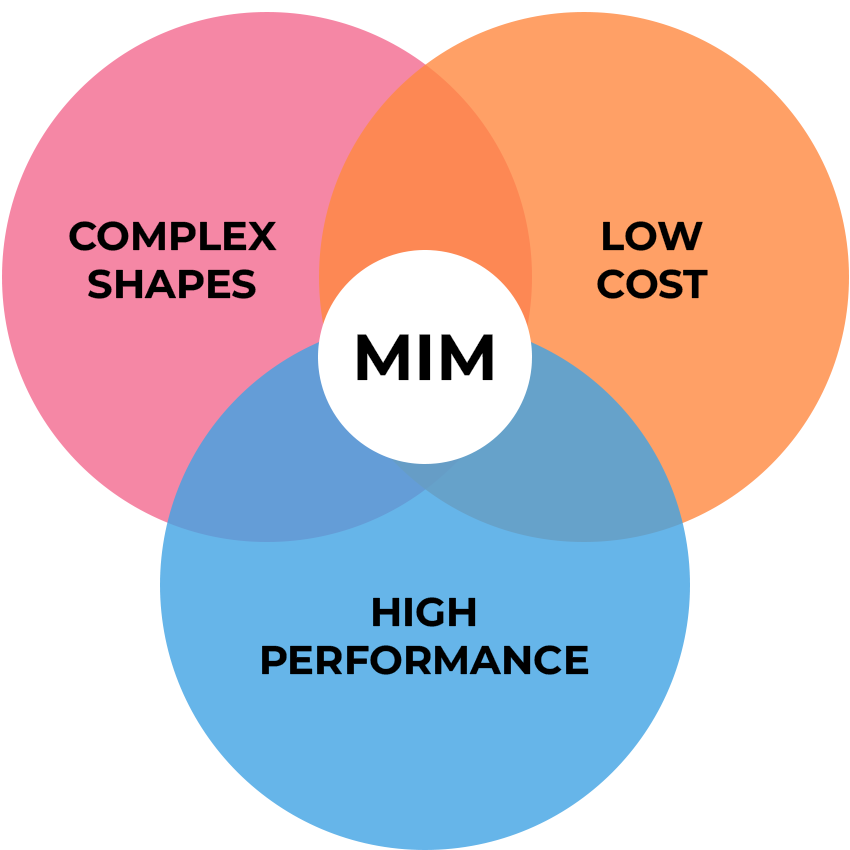
More from less
All the qualities that represent the benefits of MIM technology support sustainability efforts. We work with a minimum scrap ratio during parts manufacturing. There is little or no post-processing on the cast parts, so we only process the required amount of material. We also choose high quality from that and work together only with reputable base material manufacturers from all around the world. Of course, at ARC-Hungary (AFT-Hungary), we also pay attention to make production and operation energy efficient. It is essential for us to operate the company in a sustainable manner and to manufacture all of our products for lifelong use.
The MIM process
Metal Injection Molding (MIM), sometimes referred to as Powder Injection Molding, combines the technical aspects and competitive advantages of plastic injection molding with powdered metallurgy.
Metal Injection Molding combines the strength and durability of metal with the flexibility inherent in the injection molding process. Metal Injection Molding is a highly cost effective method for producing a wide variety of components and is an excellent alternative to other forms of metal working such as die-casting, investment casting and many forms of machining. Typically, ideal parts for MIM are small in size and range in weight from .1 grams to 450 grams. Complex geometries, tight tolerances, high density and exceptional repeatability are some of the characteristics that make Metal Injection Molding the go-to process for metal parts production in a variety of industries.
Feedsctock formulation and mixing
Metal powders are mixed with thermoplastic polymers and waxes (binder) using heat to form a mixture in which every metal particle is uniformly coated. Once the mixture cools, it’s granulated to form the feedstock for the injection molding machines.
ARC has the capability of creating our MIM feedstocks in-house, which allows us to produce high quality materials quickly and in a controlled environment. Our expertise in compounding materials for Metal Injection Molding allows us to maintain absolute consistency to eliminate defects in the molding process. We are able to create custom blends for specific applications.
Metals commonly used for MIM parts include:
- Low alloy steels
- Stainless steels
- High-speed steels
- Irons
- Cobalt alloys
- Copper alloys
- Nickel alloys
- Tungsten alloys
- Titanium alloys
Schedule a MIM School session
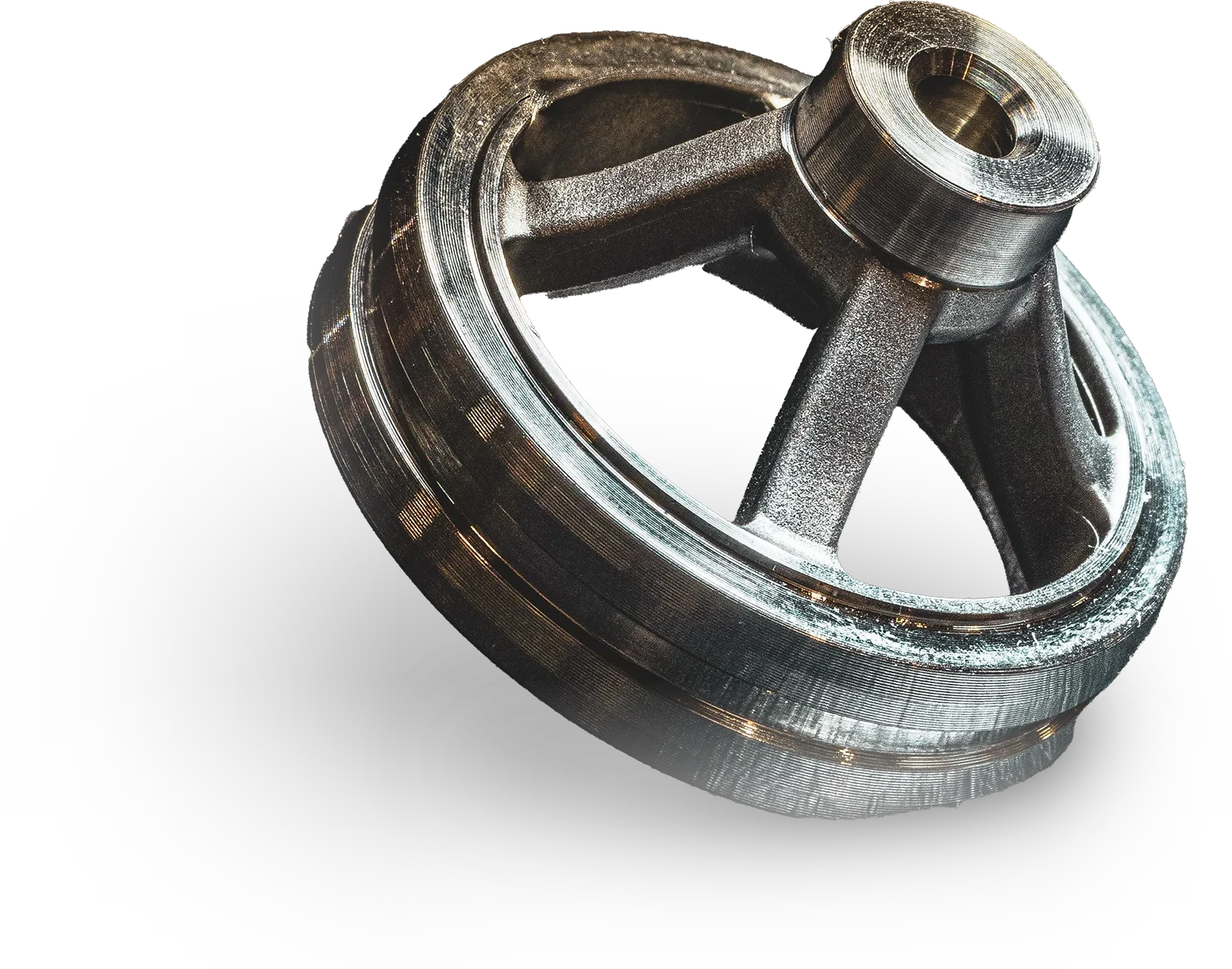
Molding
Feedstock is heated and injected into a mold using modified conventional mold presses. This produces a “green” part which is about 20% larger than the finished version. ARC has a wide variety of molding machines including electric, hydraulic and hybrid machines that range from 17 – 500 tons of clamping force.
Binder surrounds fine metal powder
Debinding
Debinding is the process of removing a portion of the binding additives from the molded parts prior to sintering. This creates a pathway for the remaining binders to exit the part during sintering. ARC uses both thermal and chemical debinding units for this process. The equipment is automatically controlled and monitored. Our chemical debinding units have solvent recovery capability which decreases the impact on the environment as well as lowering replacement solvent costs.
Only enough binder remains to hold shape
Sintering

Binders completely removed in furnace |

At around 1300 °C a density of 98%+ achieved |
Low alloy steels
Metal injection molding materials
WHICH MATERIAL IS RIGHT FOR YOU?
The Metal Injection Molding process starts with the selection or creation of a feedstock. ARC possesses an in-depth knowledge of metallurgy and can guide you in making the best choice for your application.
ARC excels at producing custom mixed feedstocks of stainless-steel, cobalt and nickel-based alloys (among others) to produce metal parts with maximum strength and versatility. Our batch atmosphere furnaces deliver the most consistent stainless steel and low-carbon ferrous alloys in the industry.
What materials do we use?
Below is a small sampling of the broad spectrum of alloys we use at ARC. If you don’t see the alloy you want, or you’d like to discuss a specialty alloy for your individual application.
Click here to download “MIM Materials” sheet.
File format: xlsx